
New Year Yard Goals for Dog Owners in the Magic Valley: A September Head Start
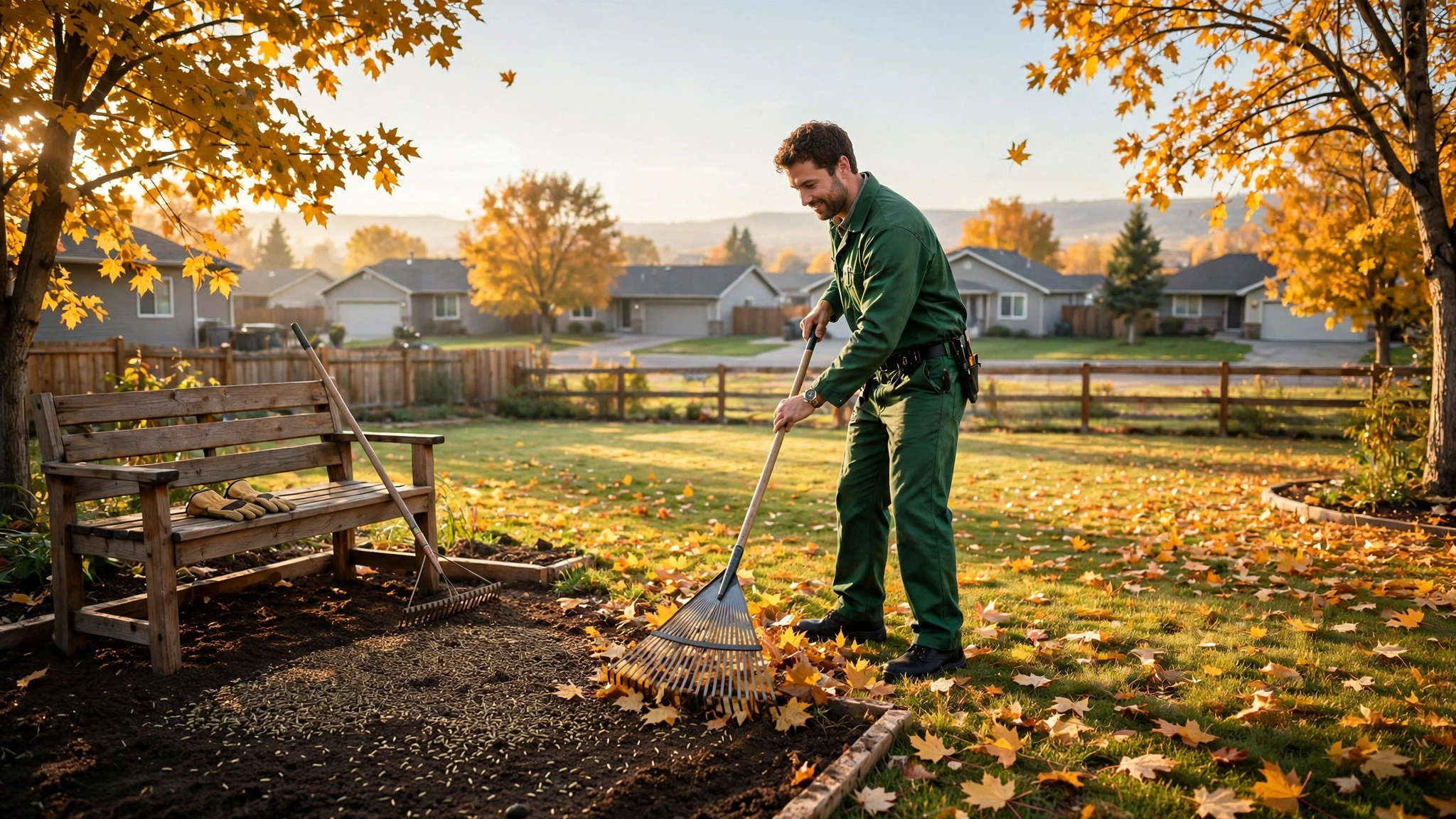
September is the best time of year to set yard goals for the new year — because you still have months to act on them. The four most practical goals a Twin Falls dog owner can set right now: build a scoop routine that survives winter, reclaim your muddiest corner before spring thaw, sketch a spring seeding plan, and set up weekly service so January starts with a clean yard. Here at Twin Falls Pet Waste Removal, we see every spring which yards made it through winter gracefully, and it is always the ones whose owners planned ahead.
New Year resolutions fail because they start on January 1st, when the Magic Valley ground is frozen and nothing can be done. Start in September, and your "resolutions" are already half finished by the time the ball drops. Here is a practical, doable plan — no fake urgency, no overhaul required.
Why September Is the Smartest Month to Plan Ahead
Fall in Twin Falls is genuinely the working season for your yard. The soil is still workable before the first hard freeze, the brutal summer heat is behind you, and you can see exactly what the summer did to your lawn — the worn lanes along the fence, the thin patches where the dogs run, the low spots that turned into puddles every time it rained.
Think of September through November as a three-month head start on next year. Anything you fix, seed, or set in motion now compounds all winter. A scoop routine you establish in October is a habit by January. A patch of grass you overseed in early fall is established turf by spring. A service plan you book in September means you never have a "fall behind" moment to recover from in March.
This is also when your yard is most honest. Summer hides problems under growth; fall reveals them. Walk your yard with a notebook this month and you will know exactly what to do.
Goal 1: Lock in a Scoop Routine Before Winter Hits
The single highest-impact yard goal costs nothing: a consistent cleanup routine. The problem is that motivation is lowest exactly when the routine matters most — in December and January, when it is dark at 5pm, the wind is howling off the canyon, and the last thing anyone wants to do is walk the yard.
That is why the goal is not "try harder in January." The goal is to make the routine automatic in October. Pick your cadence — a quick walk-through with a scooper and bag every few days — and tie it to something you already do, like the morning coffee or the evening dog walk. Habits tied to existing routines survive winter; habits that depend on motivation do not.
And if you would rather not make it a habit at all, that is a legitimate goal too: hand the routine to a service. Weekly visits mean the yard stays clean through the darkest weeks of the year without you thinking about it. Either way, decide the system now — our services page lays out what a professional routine looks like — because the yards that fall behind in winter are the ones with the biggest spring cleanups.
Goal 2: Reclaim Your Muddiest Corner
Every dog yard in the Magic Valley has one: the corner or lane that turns to mud the moment the spring thaw arrives. In Twin Falls, Filer, and Buhl, March mud season is a rite of passage — the snow melts, the dogs go straight for their favorite worn path, and that path becomes a brown ribbon that tracks into your house for weeks.
September is when you fix it. Here is the practical sequence:
- Identify the traffic lane. It is usually along the fence line or from the back door to the gate — the shortest route your dogs run.
- Fill and level the low spots. A bag or two of topsoil in September settles over the fall and winter rains.
- Overseed the thin areas early. Cool-season grasses common in Idaho establish best when seeded in early fall, not spring. September seed gets roots down before the freeze; spring seed fights weeds and heat from day one.
- Consider a sacrificial path. For the heaviest-traffic lane, mulch, gravel, or stepping stones can beat grass entirely. Dogs do not care what they run on — they care that they can run.
Even one corner reclaimed this fall means one fewer mud disaster tracked across your floors in March.
Goal 3: Sketch Your Spring Seeding Plan (While You Can See the Damage)
You do not need a landscaping degree — you need a sketch and a shopping list. Walk the yard now, while the summer's wear is visible, and note three things: where the grass is thin, where the dogs have worn bare lanes, and where water pools.
For each spot, decide the fix: overseed, reseed, or convert to mulch/path. Then buy the seed and materials now, while stores are clearing out fall stock and prices are good. Write "seed lawn — March" on your calendar so the bag does not sit in the garage until June.
One Magic Valley-specific tip: our windy springs dry out new seed fast. If you are planning a spring reseed, budget for consistent watering or ask your local nursery about drought-tolerant cool-season blends. Planning in September means you can ask those questions at the nursery counter instead of guessing from a seed bag in April.
Goal 4: Set Up Weekly Service So January Starts Clean
Here is the goal most people overlook: arrive at January 1st with the yard already handled. Most dog owners treat yard care as a spring project, which means the new year starts with months of accumulated mess to undo. Flip it. A weekly service plan running from fall through winter means:
- The yard never accumulates a backlog — no dreaded spring mega-cleanup.
- Winter visits keep the surface clear so the spring thaw reveals grass, not a winter's worth of mess.
- The routine is someone else's to manage. Your New Year resolution keeps itself.
Weekly plans start from $70 per month, and starting in the fall means your first visit is a quick baseline rather than a major recovery job. Check our pricing page for details, confirm we cover your neighborhood on our areas page — we serve Twin Falls, Kimberly, Jerome, Buhl, Filer, and Hansen — and you can book in minutes.
Frequently Asked Questions
Is it too late to start a cleanup service in the fall or winter?
Not at all — fall and winter are actually ideal times to start. Cooler weather keeps odor down, the yard is easier to clear before snow covers it, and starting now means you head into spring with a clean baseline instead of a backlog. Weekly visits continue through winter as long as we can access the yard.
What yard work can I realistically do in the Magic Valley in September and October?
Plenty: overseed cool-season grass, fill low spots with topsoil, mulch beds, fence or edge the dogs' traffic lanes, and clear leaves so they do not smother the lawn. These are small weekend jobs that pay off all winter and spring. For ongoing yard health ideas, browse our guides.
How do I actually keep these goals once January arrives?
Automate the hardest one. The goal most likely to fail is the scoop routine, because it competes with weather and motivation. Putting it on a weekly service schedule removes willpower from the equation — the yard stays clean whether or not you feel like walking it. The rest of your goals are one-time fall projects, so they are already done.
Start September, Thank Yourself in January
The best New Year yard goals are the ones you do not have to think about in the new year. A little fall work — one routine, one corner, one seeding plan — plus a standing weekly visit, and January arrives with a yard that is already in good shape instead of a project waiting to happen. That is a resolution you can actually keep, and at Twin Falls Pet Waste Removal, we would be glad to handle the weekly part for you.
Book your weekly service today and start the new year with a clean yard already in place.
📞 +1 609-435-8967 · 🌐 twinfallspetwasteremoval.com · ✉️ info@twinfallspetwasteremoval.com