
Biweekly Still Work in Fall? A Twin Falls Scooping Guide
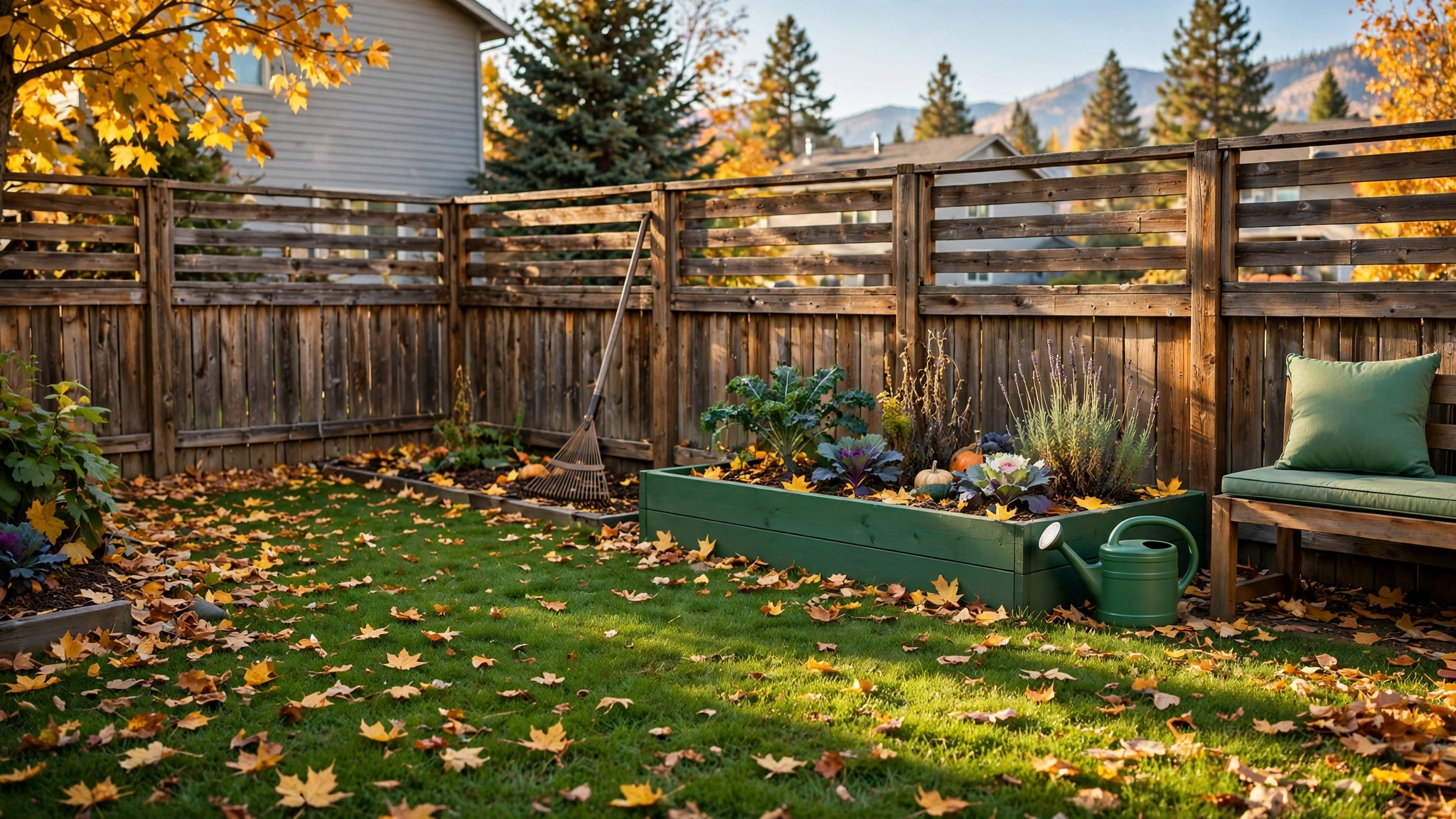
The short answer: yes — for many Magic Valley yards, a biweekly scooping schedule works just fine through fall. Cooler air means less odor and fewer flies, so your yard stays pleasant longer between visits. But fall in Twin Falls comes with a catch: falling leaves that hide waste, and autumn rains that turn missed spots into a soggy problem. Whether biweekly still works for you comes down to three things — how many dogs you have, how big your yard is, and how the leaves pile up. As the local crew at Twin Falls Pet Waste Removal, we keep routes running across Twin Falls, Kimberly, Jerome, and Buhl all fall long, and here's our honest breakdown.
Why Fall Is the Easiest Season for Biweekly Scooping
Summer is the demanding season: heat cranks up the smell, flies show up fast, and two weeks of buildup is impossible to ignore. Fall changes the math.
Across the Magic Valley, October highs slide from the low 70s into the 40s by November. Cooler air keeps things calmer, and by mid-October the flies have mostly clocked out. A yard that needed weekly attention in August can coast comfortably on an every-other-week rhythm in October.
What fall doesn't change is accumulation. Waste doesn't vanish just because it's chilly — it just sits there quietly. Biweekly service clears it on schedule, so you never wake up to a surprise come spring. If you have one dog and an average-sized suburban yard — think the typical Twin Falls or Kimberly lot — biweekly is the sweet spot for fall: a cleaner yard without paying for visits you don't need.
Curious about the difference between plans? Our service options page lays out weekly, biweekly, and one-time cleanups side by side.
The Leaf Factor: Fall's Biggest Scooping Challenge
Here's the one thing that can make biweekly fall short in autumn — literally: leaves. Cottonwoods, aspens, and maples across Twin Falls and Jerome drop a golden blanket every October, and that blanket hides everything underneath it.
Leaves create an "out of sight, out of mind" effect. Waste settles under the cover, you stop noticing it, and by the time you rake everything up in November there's a month's worth waiting underneath. Worse, the Magic Valley's October and November rains soak through the leaf layer and turn missed spots into a mushy mess — no fun for the lawn mower, and no fun for the kids cutting across the yard.
The fix is simple and free: scoop before you rake. Walk the yard in a grid before the leaves come down (or clear a path first), paying extra attention to fence lines and corners — that's where dogs tend to go. On any professional route, crews can only clear what they can see, so having leaves handled before service day makes a biweekly visit much more effective. Pair your regular scooping with your leaf cleanup and fall stays easy.
Biweekly vs Weekly: The Honest Fall Scorecard
So where does your yard land? Here's the honest comparison for fall:
Biweekly usually wins if you have:
- One dog (or one small dog and a laid-back second one)
- A medium to large yard where waste spreads out
- Kids who aren't playing in the yard every day
- Leaves under control — raked, mulched, or blown before service days
Weekly is the better call if you have:
- Two or more dogs, especially bigger breeds
- A smaller yard where everything concentrates fast
- Kids or guests using the yard regularly
- A yard buried in leaves you can't keep up with
- Holiday hosting plans — Thanksgiving guests notice a clean yard
One more practical note: weekly is our most popular plan for a reason. Weekly plans start from $70/mo, keep the yard consistently clean, and cost less per visit than biweekly. If you're on the fence with two dogs, weekly is usually the better value once you factor in the spot pickups you'd otherwise end up doing yourself between visits. See the full breakdown on our pricing page.
4 Tips to Make Biweekly Work All Fall Long
- Scoop before you rake. Clear leaves first (or time your service day right after your leaf cleanup) so nothing hides under the pile. This single habit prevents most fall buildup surprises.
- Watch the fence lines and corners. Dogs are creatures of habit, and their favorite spots rarely change. A quick scan of these zones between visits keeps things tidy.
- Mind the rain. Magic Valley fall rains come in bursts. If a storm hits right after your service day, waste gets pressed into the ground and is harder to clear next time. A quick spot check after heavy rain pays off.
- Plan your pre-winter visit. Fall ends fast in Idaho — the first real freeze can land by late November. If you're on biweekly, make sure your last fall visit happens before the ground freezes solid, so winter doesn't start with leftovers buried under snow.
Frequently Asked Questions
Is biweekly scooping enough if I have two dogs in the fall?
For most two-dog households, weekly is the safer bet — even in fall. Two dogs double the waste, and cooler weather doesn't slow that down. If your yard is large and the dogs are on the smaller side, biweekly can still work, but expect some buildup between visits. When in doubt, start with biweekly and switch to weekly if you're doing your own spot pickups in between.
Does the cold make dog waste break down on its own?
No — not in any timeframe that helps you. Cold slows everything down, so waste sticks around longer in fall and winter than it does in summer. The cooler air just makes it less noticeable. That's exactly why a regular schedule matters year-round: it keeps buildup from quietly accumulating until spring.
Should I switch from biweekly to weekly before winter?
It depends on your setup. If biweekly kept you happy all fall, it will likely carry you through winter too — with one caveat. Once snow arrives, waste gets buried and everything resurfaces in March as one big spring project. Many of our customers stick with biweekly through winter and book a spring reset when the snow melts. If your yard accumulates fast, weekly through winter means an easier spring. We serve all of our Magic Valley areas year-round, so either way you're covered.
The Bottom Line
Biweekly scooping absolutely still works in fall for most Twin Falls-area yards — the cooler weather is on your side. Just don't let the leaves fool you, and be honest about your dog count and yard size. Whether you land on biweekly or weekly, the goal is the same: a yard that's always ready for the kids, the dog, and whatever Idaho weather throws at it next.
Ready to stop thinking about it? Twin Falls Pet Waste Removal handles the schedule so you don't have to — book your plan in minutes at twinfallspetwasteremoval.com/book.
📞 +1 609-435-8967 · 🌐 twinfallspetwasteremoval.com · ✉️ info@twinfallspetwasteremoval.com